10 indicators for choosing a reliable customs broker at Jeddah Islamic Port for your company
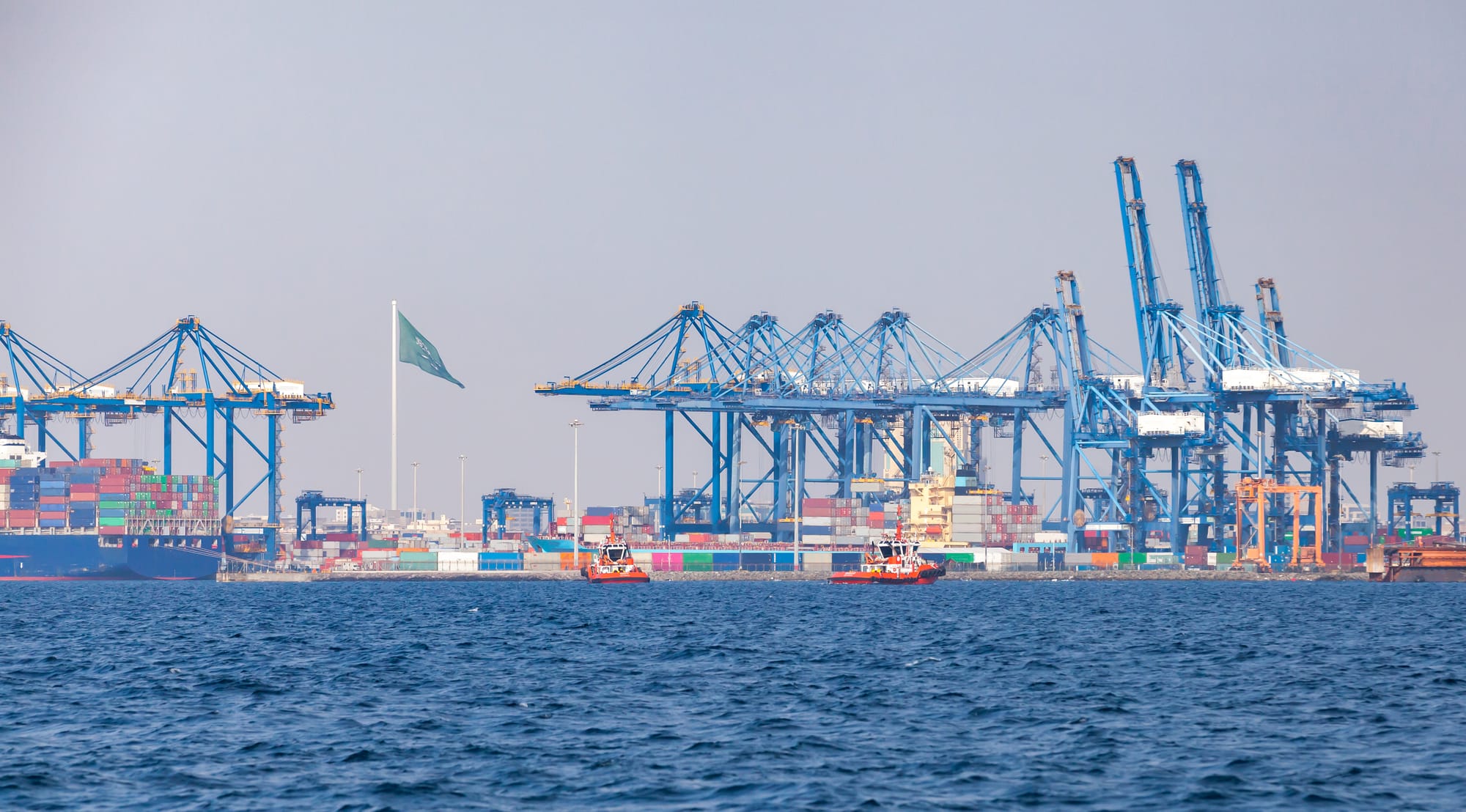
introduction
At Jeddah Islamic Port, international trade intersects with stringent compliance requirements and multiple procedures, from the arrival of the vessel to the final release of the shipment. Any delay in customs clearance can increase costs and disrupt the supply chain, especially for companies that rely on fixed delivery schedules or time-sensitive goods. Therefore, choosing a reliable customs broker is not a secondary decision, but rather a fundamental element in risk management, compliance, and speed. On the Customs Broker website of Abdullah Al-Atwi Logistics Services, we present 10 practical indicators to help your company evaluate potential brokers and choose the partner who transforms procedures into a clear and measurable process.
1) Valid regulatory license and clarity of legal status
The first and most indisputable indicator is verifying that the broker operates with a valid and regulated license and that their legal status is clear, whether they are an institution, a company, or operating within a licensed entity. A license alone is not enough; it's crucial that it aligns with the actual scope of service and that their information is up-to-date. Request a copy of the license, commercial registration, official contact information, and the address of their headquarters. Having this foundation reduces the risk of dealing with an unlicensed broker and protects you from problems that may arise when requesting authorizations or during audits or objections.
- Request official identification of the savior and the entity he represents.
- Make sure that the communication channels are official and stable, and not variable or undocumented numbers.
- Request a written explanation of the services covered by the license.
2) Proven experience in Jeddah Islamic Port and specific to the type of goods you are carrying.
The second indicator is practical experience within Jeddah Islamic Port, not just general customs clearance experience. Handling procedures vary between ports and depending on the type of cargo. Someone who handles your warehouse shipments daily, or cargo similar in classification and requirements, will know the recurring points of friction and minimize errors. Ask about examples of similar past shipments, the average clearance time, and the main challenges they faced and how they resolved them.
- Request a short list of the types of goods he has experience with.
- Ask about similar shipment cases, with customer data hidden if necessary.
- Check his understanding of the workflows at Jeddah Islamic Port and the handling and storage procedures.
3) Mastering customs classification and tariffs, and reducing the risk of fines
Correctly classifying goods according to their tariff heading is central to customs clearance. A single error in heading can mean higher fees, demands for unavailable documents, delays due to objections, or even fines. A reliable customs broker carefully reviews the product description, understands the goods' components and uses, and can justify their choice of heading. They also know when to seek further advice or a preliminary opinion to mi